25 Best Fundraising Ideas for Club Sports in 2026

Club sports give athletes more opportunities to compete, develop their skills, travel, and build lasting friendships. They can also create significant expenses for teams and families.
Tournament registrations, uniforms, equipment, facility rentals, transportation, hotels, coaching fees, and team meals can quickly add up. A well-planned sports team fundraiser can help cover these costs while bringing athletes, parents, coaches, fans, and local businesses together.
The best fundraiser for club sports depends on your team’s size, financial goal, schedule, volunteer availability, and supporter network. Some organizations benefit from an online sports team fundraiser, while others perform better with tournaments, clinics, sponsorships, merchandise, or community events.
These 25 sports fundraising ideas can be adapted for youth leagues, travel teams, competitive clubs, school athletics, recreational programs, booster organizations, and nearly every sport.

Turn your athletes’ and coaches’ experience into a paid skills clinic for younger players.
A high school, college, travel, or club team can organize age-appropriate stations covering fundamentals, drills, positioning, teamwork, and game strategy. Charge a registration fee and offer optional add-ons such as lunch, a clinic shirt, athlete photographs, or private coaching sessions.
Skills clinics work especially well as:
Choose a date that does not conflict with local league schedules, and promote the clinic to recreational teams, elementary schools, and nearby sports organizations.
Host a one-day tournament where local teams, businesses, families, or alumni compete for a championship.
Depending on your facilities, the event could be a:
Raise money through team registration fees, spectator admission, concessions, sponsorships, raffles, and merchandise. A tournament fundraiser can support tournament fees, uniforms, travel expenses, or team equipment while introducing your club to new athletes and families.
Turn a regular practice activity into a pledge-based fundraiser.
Athletes collect flat donations or pledges based on their performance. Examples include:
Choose a challenge that every athlete can complete safely. Create individual pledge pages or tracking sheets, then share team progress throughout the campaign.

4. Launch a Local Business Sponsorship Program
Local businesses often want to support youth sports, especially when sponsorship includes visible community recognition.
Create several sponsorship levels with benefits such as:
Prepare a professional sponsorship packet that explains your organization, athletes, season, fundraising goal, and community reach. Clearly state how the money will be used and what each sponsor receives.

5. Create an Online Team Donation Campaign
An online sports team fundraiser allows relatives, alumni, and supporters outside your local area to contribute.
Create a campaign explaining:
Use real team photographs and short athlete videos to make the campaign more personal. Ask every family to share the fundraiser with a specific number of relatives, coworkers, neighbors, and former players.
Online campaigns work particularly well for travel sports fundraising because supporters can participate regardless of location.
Invite athletes and families to donate clean household items, toys, books, sports equipment, clothing, and furniture for a large community yard sale.
Organize merchandise by category and price items before opening. Increase revenue by adding a concession table, bake sale, donation station, and premium-item section.
If your club has several teams, assign each age group a different responsibility. One team can collect donations, another can organize merchandise, and older athletes can help with customer service and cleanup.
Partner with restaurants, retailers, fitness centers, car washes, and service providers to create a team discount card.
Supporters purchase the card and receive discounts from participating businesses throughout the year. Businesses gain repeat customers, while the team receives a portion of the sales.
Choose offers supporters can realistically use. A smaller card with strong local discounts may be more appealing than a long list of businesses located far from the team’s community.
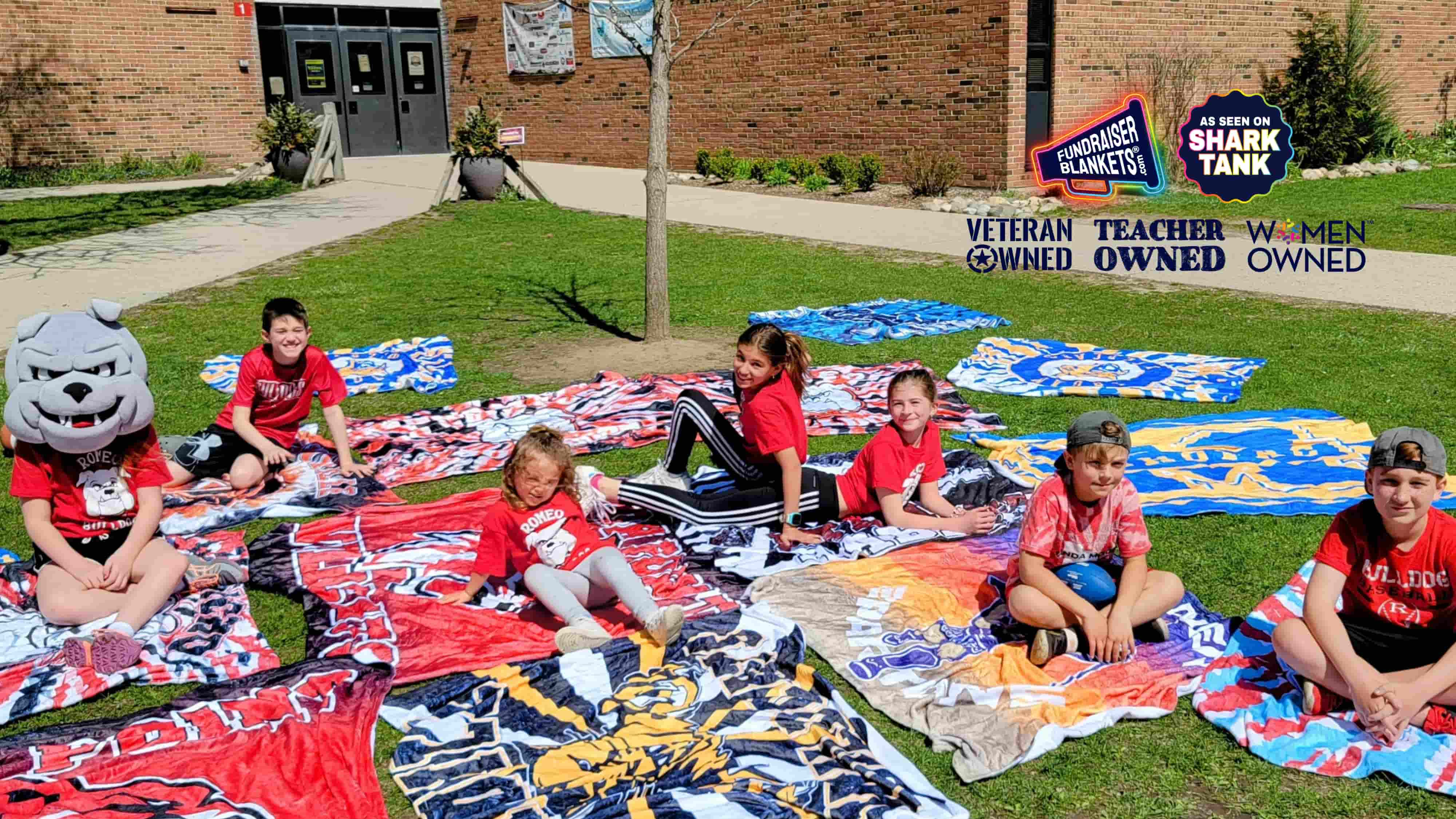
8. Offer Custom Sports Blankets
Custom sports blankets give teams a merchandise-based fundraiser that can also become a lasting keepsake.
Designs can feature the team logo, mascot, colors, name, player photos, season, or custom artwork. Supporters can use the blankets at stadiums, tournaments, hockey rinks, outdoor practices, road trips, or home.
Fundraiser Blankets® creates custom team blankets starting at $10.50 and offers free custom designs and free shipping on qualifying fundraising orders. Teams can explore bulk fundraising or ask about ship-to-home fundraising options.
Custom blankets can support football, basketball, baseball, softball, soccer, volleyball, hockey, lacrosse, wrestling, cheerleading, dance, gymnastics, swimming, track, tennis, golf, rugby, field hockey, figure skating, rowing, martial arts, equestrian teams, esports, and other programs.
Before launching the sale, confirm current pricing, minimums, production timelines, delivery dates, and fundraising terms.
Ask a local restaurant to donate a percentage of qualifying sales during a designated fundraising night.
Choose a restaurant that is convenient for team families and promote the event well in advance. Encourage athletes to invite relatives, neighbors, teachers, and friends.
Confirm whether supporters need to show a flyer, mention the team, use a promotional code, or place orders during specific hours. Some restaurants also extend the fundraiser to takeout or online orders.
Create a team fundraising store featuring approved fan gear and spirit wear.
Products might include:
A team store allows families to choose what they want while creating consistent branding across the organization. Use preorder windows or on-demand fulfillment when possible to reduce leftover inventory.
For clubs with several teams, offer a core league design plus sport-specific or age-group options.

Invite families to buy, sell, or exchange gently used sports equipment.
This can be especially valuable for youth programs where athletes quickly outgrow cleats, skates, gloves, pads, uniforms, rackets, and training gear.
Raise money by charging:
Inspect donated or consigned items for visible damage. Avoid selling protective equipment that may be expired, compromised, or unsafe.
Create a fun exhibition game featuring parents, coaches, teachers, alumni, or local community leaders.
Charge spectator admission and sell concessions, raffle tickets, team merchandise, and reserved seating. Allow supporters to vote through donations for team captains, starting lineups, special rules, or halftime challenges.
This concept can become a basketball game, softball game, volleyball match, flag football game, soccer match, or another activity suited to your facilities.
Organize service days where athletes complete approved jobs in exchange for donations.
Possible services include:
Create a set schedule and suggested donation amount. Athletes should work in supervised groups, and the club should establish clear safety and transportation procedures.
Auction or raffle premium parking spaces near the entrance to your club’s facility, stadium, tournament, or major event.
Offer the parking privilege for:
A premium package could include reserved seating, concession vouchers, early admission, or a team merchandise item.
Coordinate with the venue before advertising the fundraiser and keep accessible parking and emergency routes protected.
Create a paid trivia event for parents, coaches, alumni, sponsors, and older athletes.
Include rounds covering professional sports, Olympic history, local teams, club memories, mascot trivia, and general knowledge. Charge teams to register and add fundraising opportunities through concessions, raffles, bonus questions, and sponsored rounds.
Ask local businesses to donate prizes for the winning table, best team name, or most spirited group.
Partner with a local photographer to offer professional athlete portraits, team photographs, sibling sports photos, and family sessions.
Schedule sessions before practice or during a designated photo day. The photographer can provide the club with a fixed donation per package or a percentage of sales.
Offer several price points, including digital images, prints, posters, player cards, banners, and senior-night designs.
Allow supporters to contribute toward a specific athlete’s approved team expenses or to a shared scholarship fund.
Possible sponsorship levels could help cover:
Establish a transparent policy before launching the campaign. If your organization wants to protect athlete privacy or distribute funds equitably, direct all contributions into a general participation or scholarship fund instead of individual accounts.
Food and drink sales can become a dependable sports league fundraiser when a club has regular access to games, meets, or tournaments.
Sell items that can be served efficiently, such as:
Invite local businesses to sponsor supplies or donate food. Create a volunteer schedule so the same parents are not responsible for every event.
Follow venue rules and local food-handling requirements.
A car wash remains a recognizable youth team fundraiser because athletes can participate together and the event is visible to the community.
Choose a high-traffic location with safe vehicle access and written permission from the property owner. Offer a suggested donation instead of a fixed price when appropriate.
Increase participation by preselling tickets and asking a business sponsor to match the first portion of donations.
Check local water-use and runoff requirements before the event.
Ask families, sponsors, restaurants, service providers, and local businesses to donate products or experiences.
Strong auction items may include:
Host the auction during a banquet, tournament, awards night, or online campaign. Group smaller donations into themed packages to make them feel more substantial.
Create a coupon book featuring approved services athletes can provide to their own families or close supporters.
Coupons could include:
This works best as a lighthearted fundraiser for families already connected to the team. Set clear boundaries so athletes are not expected to complete tasks for unfamiliar individuals.
Show a family-friendly sports movie in the gym, clubhouse, field, or approved outdoor venue.
Raise money through admission, concessions, reserved seating, blankets or chair rentals, and raffle prizes. Invite local vendors or food trucks and charge a participation fee when permitted.
Confirm public performance licensing requirements before promoting the movie.
Create a team calendar featuring athlete photos, game dates, club milestones, sponsor advertisements, and important league events.
Sell calendars to families, alumni, and community supporters. Local businesses can purchase advertising space to offset printing expenses.
Calendars are especially suitable for clubs with strong photography and a full competition schedule. Begin planning early so the finished product is available before the new year or upcoming season.
Set up a gift-wrapping station at a shopping center, community event, local business, or sports facility during the holiday season.
Athletes and parent volunteers can wrap gifts in exchange for set fees or donations. Offer several wrapping styles and promote group drop-off for busy families.
Ask local retailers or sponsors to donate paper, ribbon, gift tags, tape, and other supplies.

Instead of asking every team to organize a separate campaign, bring the entire club or league together for one major fundraising weekend.
The event could combine:
A club-wide event spreads the planning across multiple teams and gives sponsors access to a larger audience. Assign each team or age division one specific responsibility to keep the workload organized.
Not every idea will work equally well for every organization. Before choosing a sports team fundraiser, consider the following factors.
A team raising money for a few pieces of equipment may need a smaller campaign than a travel organization funding transportation, hotels, and national tournament fees.
Start with the total amount required, then choose a fundraiser capable of reaching that goal.
Consider how much time parents, coaches, and athletes can realistically contribute. A tournament or club-wide festival may generate strong participation but requires more planning than an online fundraiser or merchandise presale.
Determine whether most supporters are local or spread across different areas. Community events work best when families can attend in person, while an online or ship-to-home sports fundraiser can reach distant relatives and alumni.
Calculate venue rentals, supplies, platform fees, product costs, insurance, permits, payment-processing charges, and other expenses before announcing the fundraiser.
Focus on the amount the club will retain after expenses—not only the total sales.
Avoid scheduling a major fundraiser during the busiest part of tournament season unless it is connected directly to an existing event. Registration periods, preseason meetings, rivalry games, holidays, senior night, and end-of-season celebrations can provide natural promotional opportunities.
Club sports fundraising can help cover:
Be specific when explaining the purpose of your fundraiser. Supporters are more likely to understand the need when the club connects.


